

IFS Therapy in Burbank & Pasadena: Trauma-Informed Care for Neurodivergent Adults
Specialized Internal Family Systems (IFS) & Parts Work Therapy in Burbank, Pasadena & Throughout California
If you’ve spent years trying to “fix” yourself, manage overwhelm, or outthink your trauma, Internal Family Systems (IFS) therapy offers a different approach: one rooted in curiosity, compassion, and nervous system safety.
IFS therapy recognizes that you are not broken or contradictory. You are a complex internal system made up of different “parts,” each trying to protect you in the best way it knows how.
My trauma-informed IFS and Parts Work sessions support neurodivergent adults, Highly Sensitive Persons (HSPs), creatives, and trauma survivors who are exhausted from masking, over-functioning, emotional shutdown, or living in chronic internal conflict.
What Is Internal Family Systems (IFS) Therapy?
Internal Family Systems (IFS) is an evidence-based therapy model that helps people develop a healthier relationship with the different parts of themselves.
Rather than viewing anxiety, perfectionism, dissociation, emotional numbness, people-pleasing, or inner criticism as flaws, IFS understands these responses as protective adaptations created to help you survive overwhelming experiences.
You are not a “monolith.” Instead, you are an internal ecosystem of parts working overtime to keep your life functioning, often at the expense of your nervous system.
During our IFS therapy sessions, we work toward:
Greater emotional regulation
Reduced inner conflict and self-criticism
Increased self-trust and clarity
Trauma healing and nervous system flexibility
Stronger connection between mind, body, and emotions
The Director’s Cut: Understanding Your Internal System
Think of your inner world as a high-stakes production with a crowded cast of internal characters trying to keep the show running.
Some parts over-function. Some shut everything down. Some work relentlessly to avoid rejection, criticism, or emotional pain. In IFS therapy, we don’t shame or exile these parts, we get curious about their role, their fears, and the burdens they’ve been carrying for years.
The goal is not to eliminate these parts of yourself. But rather help your system move toward balance, flexibility, and Self-leadership where you become the compassionate Director rather than a nervous system stuck in survival mode.

Navigating the Internal “Production”
If you are searching for IFS therapy, you may already know what it feels like to live inside an overworked nervous system.
The Over-functioning Manager: The part that keeps your schedule packed, pushes through exhaustion, and refuses to slow down because stopping feels unsafe.
The Protective Critic: An internal voice that believes criticism will protect you from failure, rejection, embarrassment, or vulnerability.
The Foggy Shutdown: Protective “firefighter” parts that pull the emergency brake through dissociation, burnout, emotional numbing, scrolling, avoidance, or shutdown when life becomes overwhelming.
Unresolved Burdens: Sensitive wounded parts that are often called “Exiles” in IFS which carry emotional pain, shame, grief, fear, or loneliness from earlier experiences that were never fully processed.
The Internal Cast

The Crew (Protectors)
These are not “bad habits” or personality flaws. They are protective strategies developed to help you survive difficult experiences.
Some parts manage through perfectionism, productivity, hyper-independence, people-pleasing, masking, or emotional control. Others protect through avoidance, shutdown, dissociation, or escape.
In therapy, we help these parts unblend from the nervous system so they no longer have to work around the clock to keep you safe.
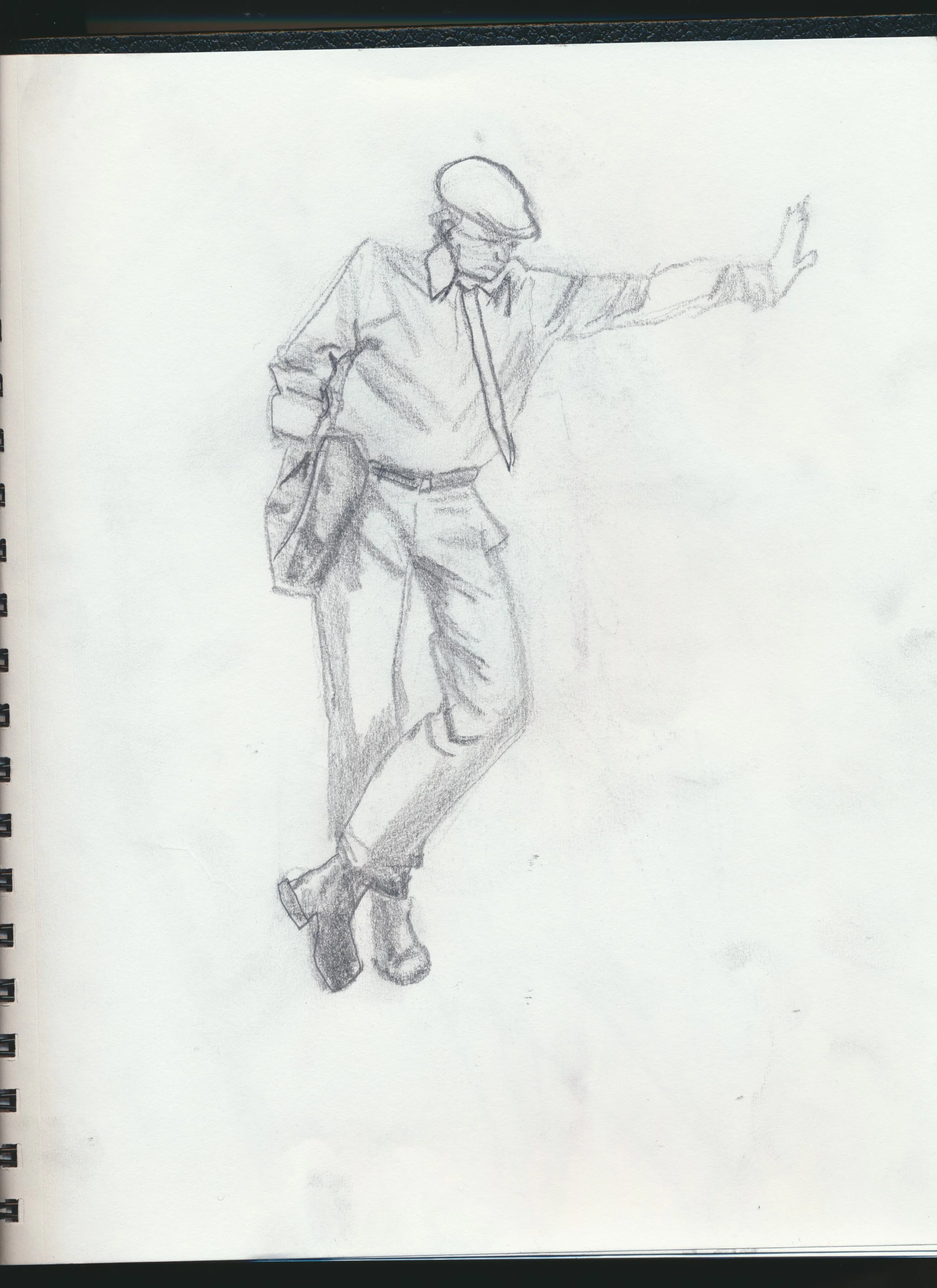
The Director (Self)
In IFS, the “Self” is your core state of calm, curiosity, compassion, clarity, and grounded presence.
When Self-energy is leading, your internal system no longer has to operate from panic, pressure, or survival mode. Therapy helps restore trust between you and your parts so your inner world can become more collaborative, flexible, and regulated.
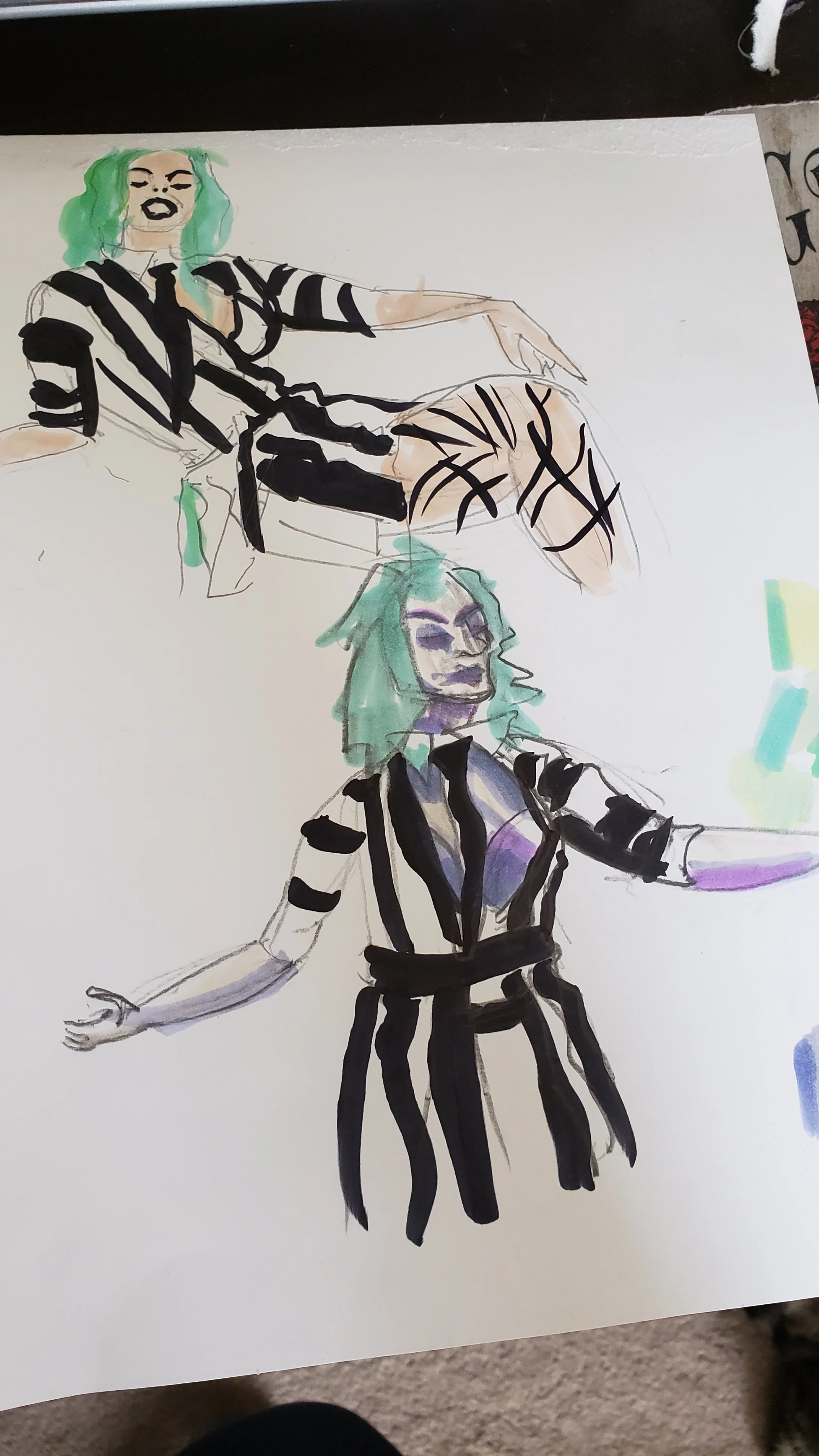
The Stagehands (Exiles)
These are the deeply sensitive parts of you that learned to carry emotional pain quietly in the background.
Often hidden beneath masking, achievement, dissociation, or hypervigilance, these parts hold the unresolved emotional burdens of earlier experiences. Through trauma-informed IFS therapy, we create enough safety for these wounded parts to finally be witnessed, supported, and unburdened.

Why IFS Therapy Might Work for Neurodivergent Adults
Fo For many ADHD, Autistic, and Highly Sensitive nervous systems, internal conflict often develops between masking parts trying to meet external expectations and overwhelmed parts trying desperately to escape sensory, emotional, or social overload.
IFS therapy helps us move beyond neurotypical “shoulds” and instead understand the internal logic of your nervous system with compassion rather than judgment.
We are not trying to “fix” your parts. We are helping your system:
Reduce chronic internal bracing
Increase nervous system regulation
Build self-trust and emotional flexibility
Heal trauma without abandoning authenticity
Develop sustainable ways of functioning that honor your neurotype
This work can be especially supportive for:
ADHD adults
Autistic adults
Highly Sensitive Persons (HSPs)
Complex PTSD survivors
Burnout recovery
Chronic masking and perfectionism
Anxiety and dissociation