
The Broken Cup — Enmeshment and “Wet Sock” Families
When choices involve others, what I often see come into play are people-pleasing and fawning responses. This usually has to do with anxiety around responsibility, a fear of being "wrong," or a history of "over-responsibility" from growing up in an enmeshed family.
The "One Narrative" Trap
An enmeshed family, in a nutshell, is when there isn’t a clear sense of where my feelings begin and yours end. In these systems, there is often a hierarchy or a sense that there can only be one "true" narrative of what is happening.
"Dialectical" thinking—the ability to hold two conflicting truths at once—is incredibly challenging here.
Example: We went to Disneyland and I had a great time, but you had a bad time because your socks got wet on Pirates of the Caribbean and some kid threw up on your shoes.
In these families, the person in a good mood struggles to hold space for the person with the wet socks because they may be operating from a place of emotional immaturity or simply don't have the tools to hold two truths at once. They can't say: “I had a great day, and I can care that you didn’t while also holding space for my own happiness.” Instead, they feel threatened by your bad mood, as if your "wet socks" are an indictment of their "good day."
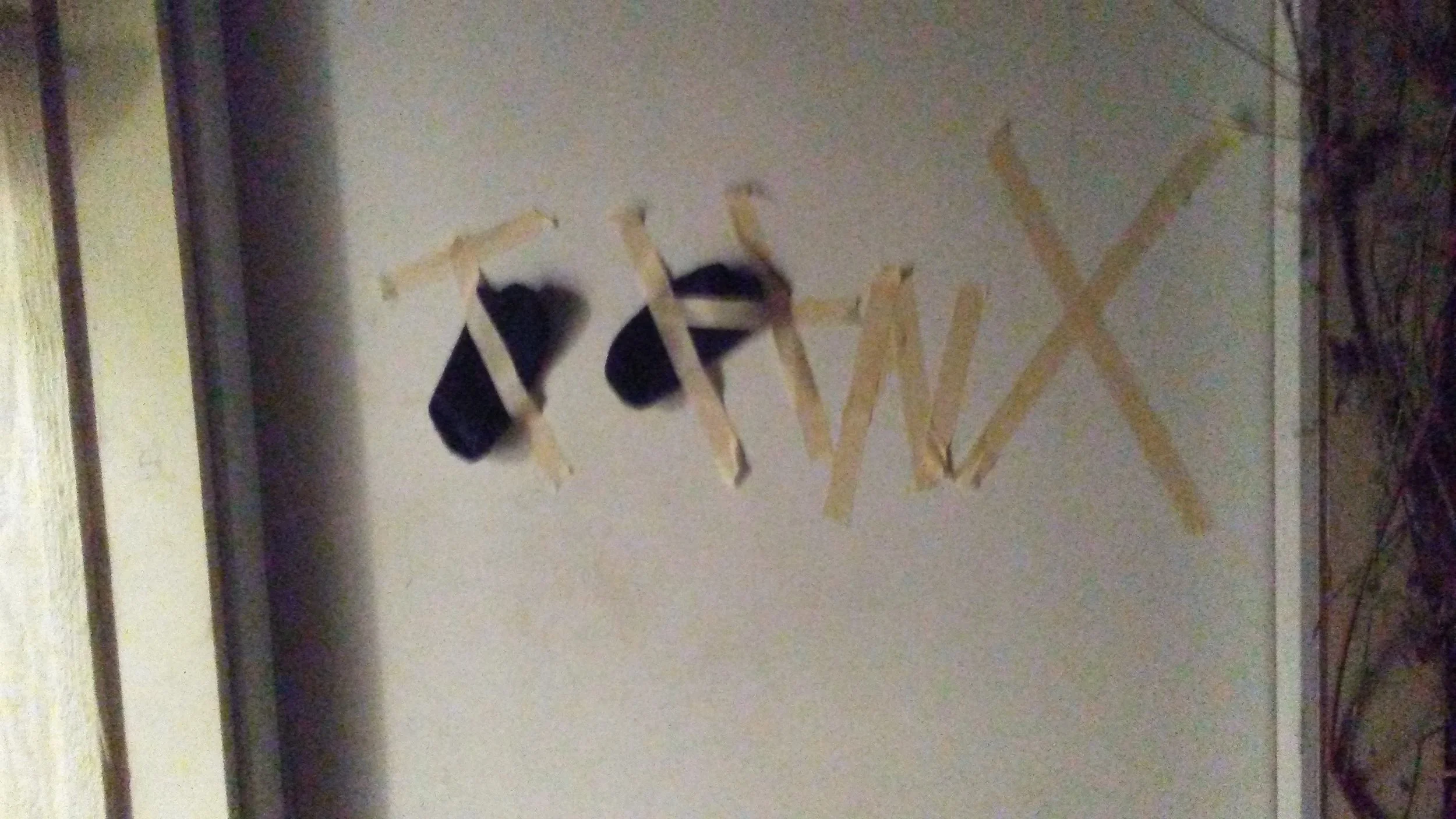
FYI: This is how you return socks you borrow from your roommates- by taping them to their door in masking tape to say, “THNX”
The Inappropriate Weight of Responsibility
This leads to a deep-seated fear of making choices because we feel inappropriately responsible for everyone else's happiness. This is so "LA," where people say, "Yeah, let's totally hang out!" but don’t actually know how to politely disappoint someone. We avoid the choice because we can’t handle the weight of the other person's potential reaction.
This is where PARTS WORK (Internal Family Systems) comes in. It helps us differentiate our own "well-being" from the emotional states of those around us.
The Broken Cup
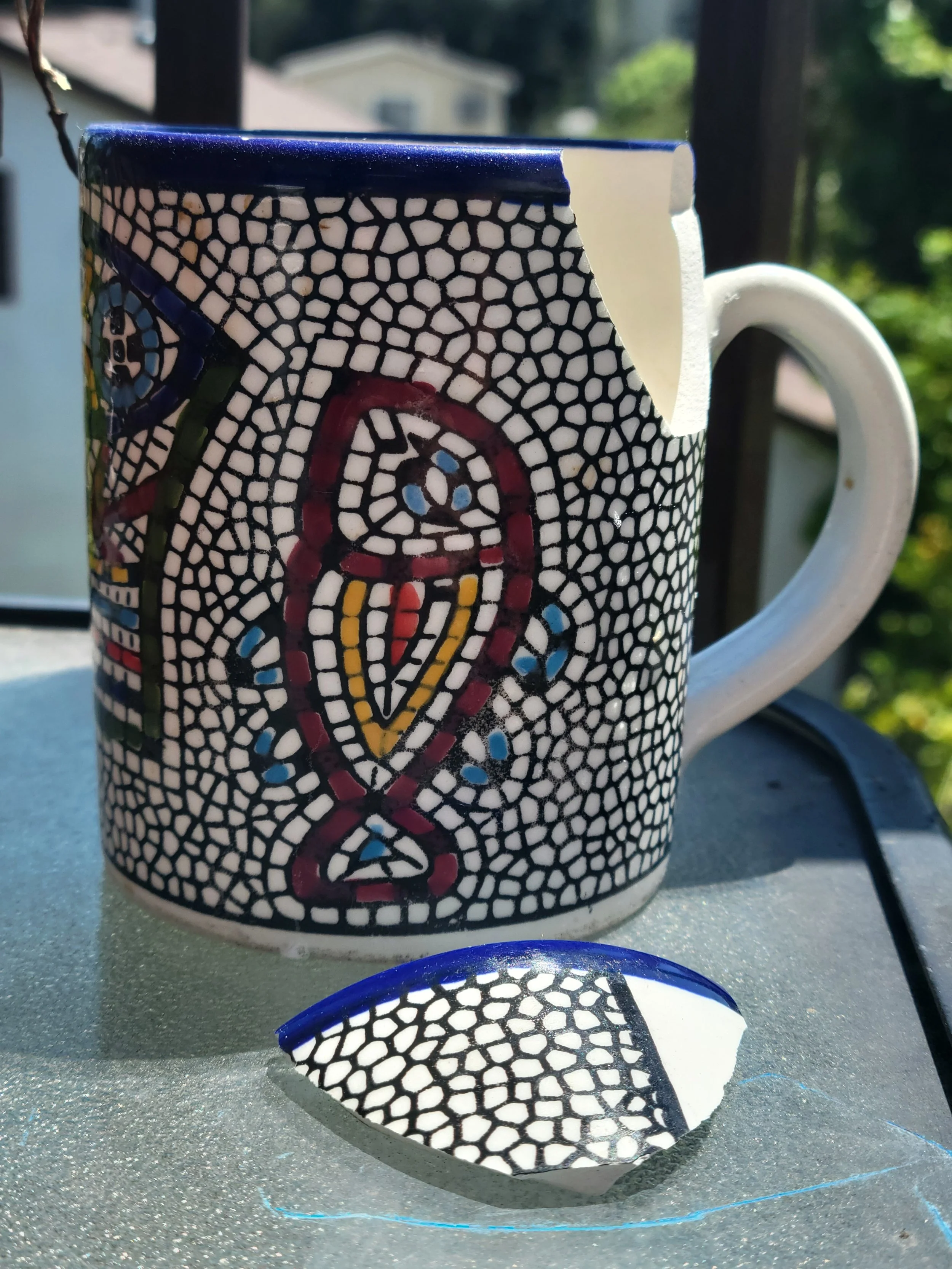
Think about the "Broken Cup." You’re having a bad day, nail biting through your to-do list, and then you break a cup. The meltdown happens. You don't just see broken glass; you regress into over-personifying with that shattered mess: I am a failure. I’m a stupid loser. I can't do anything right.
Research Insight: This is often the result of "maladaptive shame" and decision fatigue. When we are overloaded with choices (or others' emotions), our self-regulation "logic" goes offline. This state of "Analysis Paralysis" isn't just about being indecisive; it's a physiological state where action becomes impossible because the fear of a "wrong" outcome—and the subsequent shame—is too high (Cleveland Clinic, 2024).
As researchers like Minuchin (1974) noted, enmeshment creates a lack of "subsystem boundaries," making individual decision-making feel like a betrayal of the group.
Once I began to heal my shame wound, the narrative changed. I still break dishes (I actually need a budget for these butterfingers), but now the "part" of me that screams loser is quieter. Now, it’s just: Sigh, okay this sucks, let’s clean it up.
Citations & References
Cleveland Clinic. (2024). Analysis Paralysis: Why It Happens and How to Break the Cycle.
Linehan, M. M. (2014). DBT Skills Training Manual. Guilford Publications. (For context on Dialectical Thinking).
Minuchin, S. (1974). Families and Family Therapy. Harvard University Press. (The foundational text on Enmeshment).
Schwartz, R. C. (2021). No Bad Parts: Healing Trauma and Restoring Wholeness with the Internal Family Systems Model. Sounds True.
